Traditional Kashubian smoking begins with choosing a good fish, which is then marinated in brine with allspice and bay leaves. Next, the marinated fish goes into a kiln fired with hardwood, alder or beech. There is no room for haste in this craft, as the Kashubian fish smokers know best.
What you will learn from this article:
Where the tradition of smoking fish in the Nord (Kashubian North) came from.
What traditional smoking is all about.
Which fish species reign supreme in Kashubian smokehouses.
What the old Kashubian recipe for the perfect marinade looks like.
Why drying is an absolutely crucial stage of the entire process.
What hot smoking looks like step by step.
How to recognize naturally smoked fish rather than chemically smoked fish.
Where to eat iconic, traditional salmon and mackerel in Jastrzębia Góra.
Which fish preserves from the local cuisine are worth preparing yourself.
Traditional fish smoking? How did it originate in the Nord
For the former inhabitants of the Hel Peninsula and the area around the coastal Kashubian lakes, smoking and marinating fish was a necessity. Before refrigerators appeared in Kashubian homes, the key challenge for fishermen from the Baltic coast was preserving what the sea had given them.
The technique of smoking valuable fish meat, full of protein and Omega-3 fatty acids, eventually became a tradition beautifully woven into the region’s unique identity. Today, the aroma of smoke still rises along Światowida Promenade, just as it once accompanied the catches of local fishermen.
What is smoking and why do fish from Kashubia taste so exceptional?
Smoking is a process of heat and smoke treatment in which meat is exposed to compounds contained in smoke produced by the slow, controlled burning of suitable types of wood. Smoke acts as a natural preservative: it has bactericidal properties, dries the tissues and protects fats from becoming rancid.
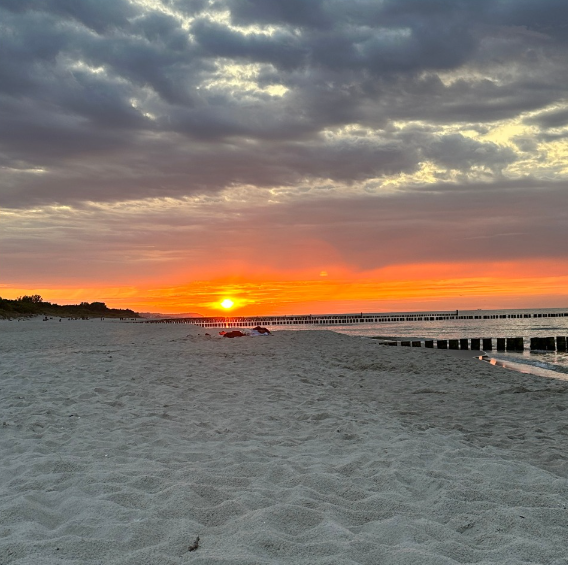
But why does fish smoked here, in Kashubia, taste so exceptional? It is obviously thanks to the proximity of the sea and the type of wood, most often alder and beech, sometimes with the addition of fruitwood. Above all, however, it is the craftsmanship of Kashubian fish smokers and the coastal climate that make fish smoked here, and then eaten while watching the sun descend from the cliff into the sea, taste so exceptional.
Which fish delicacies are best smoked in Kashubia? Iconic vendace and fishermen’s secrets
The undisputed queen of Kashubian lakes is vendace. This small, exceptionally delicate fish from the salmon family becomes a true delicacy with buttery flesh once smoked. Alongside it, Kashubia greatly values fatty, practically melt-in-the-mouth eel and the classic sea fish, flounder.
Larger fish, such as aromatic salmon and fatty-acid-rich mackerel, have their admirers for good reason. The secret of experienced fish smokers lies in matching the smoking time and temperature to the fat content of the fish. Properly prepared, every fish is a delight to the palate 🙂
Marinating fish before smoking – an old Kashubian recipe
Before the fish enters the smoking chimney, it must undergo salting or curing in brine. The old Kashubian school calls for preparing a wet brine of the appropriate concentration. Traditionally, this was checked by dropping a raw egg or potato into the water; if it floated on the surface, the brine was ready.
Traditional spices are added to clean water with rock salt:
bay leaves,
allspice,
a little whole black pepper,
optionally, a little garlic
The fish should spend from several to more than a dozen hours in this bath, depending on its size. It is important to leave it in a cool place so that the salt penetrates evenly all the way to the backbone.
Why is drying the most important step in smoking?
The golden rule of every experienced fish smoker is that dry fish must be placed in the kiln. Ignoring this step is the most common mistake made by amateurs. If you put wet fish into the smoke, instead of smoked fish you will take out cooked fish. Rather than penetrating the flesh and creating a beautiful, shiny skin, the smoke will “stick” to the moisture, making the fish bitter, scorched, sour and simply unpalatable.
After removing the fish from the brine, rinse it thoroughly to remove excess salt, wipe it dry and hang it in a cool, well-ventilated place protected from insects for several hours, until its skin becomes as dry as parchment and slightly tacky to the touch.
The hot-smoking process step by step
Hot smoking usually consists of three phases:
Heating and final drying without smoke: The fish is placed in a heated smokehouse (approx. 40-50°C), where, with strong airflow and open fireboxes, the surface is dried completely.
The actual smoking: The air supply is reduced so that the wood begins to produce dense smoke. The temperature is maintained between 50-60°C. This is the phase in which the fish takes on a deep, golden-brown color and unique aroma. It usually lasts from 2 to 4 hours.
Baking: At the very end, the temperature is raised for a short 15-20 minutes to approximately 75-80°C so that the protein sets fully and the flesh near the backbone loses its rawness.
How can you tell traditionally smoked fish from fish smoked with liquid smoke?
Unfortunately, mass production has reached the seaside too. Fish sold on a mass scale in supermarkets or unverified stalls are often subjected to a so-called “liquid smoke bath”, meaning a chemical preparation. They are then dried in electric ovens and sold as “smoked”. How can you avoid being fooled? Below, we have prepared a short “cheat sheet” thanks to which your holiday hunt for local specialties simply has to succeed.
Feature | Traditional smoke smoking | Chemical liquid-smoke smoking |
Color | Uneven, from light gold to dark brown; visible marks left by hooks or strings. | Perfectly uniform, almost “painted” yellow-orange in color. |
Smell | Deep, woody, natural campfire aroma. | Sharp, chemical, reminiscent of an artificial barbecue flavor. |
Skin | Slightly wrinkled, dry, natural. | Smooth, slippery, sometimes unnaturally glossy from oil. |
Shelf life | The fish is naturally preserved, and the meat is firm. | The meat can be watery and quickly becomes moist. |
Where to buy authentic smoked fish in Kashubia?
If you are spending a family holiday in Jastrzębia Góra and looking for a trusted place where fish is smoked traditionally and with passion, you must visit Wędzarnia Przypiecek.
This iconic place is open from May to September and serves fish smoked and fried on site, according to traditional recipes, without preservatives. No chemicals. Authentic and made with passion. There you can try salmon and mackerel smoked according to artisanal methods. The aroma rising from this place is the best recommendation. Deep, woody, alder-smoked—exactly as it should be. A visit to Jastrzębia Góra without stopping by Przypiecek is simply incomplete.
Traditional recipes from local cuisine for preserving fish
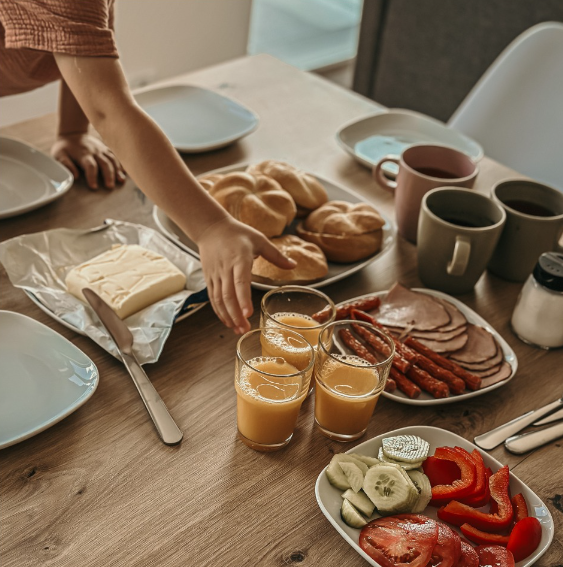
If you have some fish left after visiting the smokehouse—which rarely happens, as it disappears in the blink of an eye—local Kashubian cuisine has excellent ways to ensure it does not go to waste. We know the recipes below from our family tables and recommend them as wonderfully simple recipes for a successful dinner.
Kashubian smoked mackerel spread: Mash the smoked mackerel flesh with a fork, add finely chopped onion, a hard-boiled egg, a generous amount of fresh parsley and a little sour cream or mayonnaise. We like it best with a thick slice of wheat bread.
Kashubian-style herring in a vinegar-and-tomato marinade: A classic. Fried or lightly smoked herring is layered with blanched onion and covered with a sweet-and-sour marinade containing tomato purée, vinegar, bay leaf and allspice. It tastes best after 2–3 days in the jar.
Planning a culinary journey to Norda?
After a day spent discovering Kashubian traditions redolent of smoke and the sea, it is worth returning to a space that guarantees homely warmth and comfort.
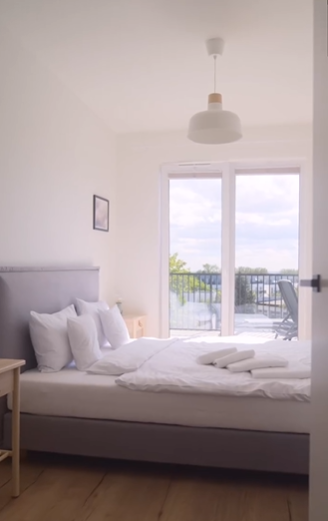
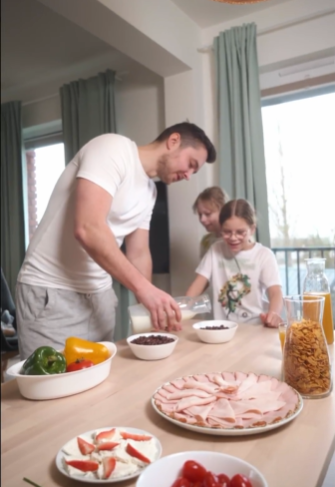
Our comfortable Pilice Apartments in Jastrzębia Góra are equipped with fully prepared kitchens. This means that you can serve the delicacies purchased from local smokehouses whenever you feel like it. We look forward to seeing you by the sea!