This is a humorous article, so read it with a pinch of salt or rose-tinted glasses. Best enjoyed with afternoon coffee.
Kashubian tales, snuff and herring: why you should visit Kashubia, not the mountains
If you think Kashubia—more precisely Norda, its northernmost part—is just windbreaks, whipped-cream waffles and smoked mackerel, you are absolutely right.
If you think Norda is an ancient land of giants where seagulls chirp in a language unlike Polish, you are absolutely right too.
Settle into an armchair, grab an afternoon coffee and learn more about our corner of the world before arriving to find your own perfect place to relax.
Not Greek, not Roman, but Kashubian. Mythology.
Kashubians have their own mythology and recognize no other. So if you feel like reading before your seaside holiday, pick up Kashubian Tales to learn, among other things, how the world began and why Kashubia has so many large stones.
Stilo (God) and Czôrnebog create the world: Kashubian cosmology says it arose from clashing forces: good and evil, light and darkness.
Here Kashubia is no different from the rest of the world: the Good God—light and sun—and his dark counterpart Czôrnebog—darkness and the underworld—co-created the earthly realm.
Their rivalry supposedly created the beautiful, picturesque lakes of Kashubian Switzerland, and the treacherous, stormy Baltic waters and steep cliffs.
Even today, many curse Czôrnebog while climbing the Jastrzębia steps from the beach, then thank the Good God when they reach the Smokehouse.

The Legend of the Stolems: Kashubia is believed to have once been inhabited by Stolems—giant beings of superhuman strength who could alter a river’s course or form a hill with one thrown stone.
Although the Stolems left Kashubia long ago—or shrank over the centuries, as some say—numerous hills and giant erratic boulders scattered across the region still remind us of them.
Whoever knows Kashubian can travel through every land.
Apparently, anyone who knows Kashubian can travel worldwide and communicate everywhere; it often doesn’t work the other way.
Linguists often consider Kashubian Poland’s only living regional language. It derives directly from the speech of the Pomeranians, the West Slavs.
Despite centuries of Germanization and Polonization, Kashubian artists, fishermen and farmers managed to preserve their language.
Today Kashubian is officially protected by the Act on National and Ethnic Minorities and can be heard in Norda’s schools and offices, as well as on roadside information signs.
If you want to communicate at a local krum (shop) or restauracëjô (restaurant), learn a few Kashubian words. It will certainly make communicating in Kashubia easier.
Here are some interesting words and phrases to surprise your Kashubian friends.
Trachbomba simply means thunder or a thunderstorm.
Kaszëbielc is a colloquial, very warm term for a native Kashubian.
Mùchofc means nothing more than a fly, though its Kashubian name suggests something much cuddlier and nicer.
“Dze bëłes? W leśe!” is most often used by children when answering their parents’ endless questions about where they spent the afternoon.
Finally, the most important, ubiquitous and all-purpose “jo”.
It can mean yes, express disbelief or signal irritation.
Mind the intonation—and if a Kashubian reaches for his snuffbox ever more nervously, run.
Kashubians are not Poles
Known: Kashubians/Poles share little; vice versa.
First: origins. Kashubians are indigenous to Pomerania, descended from West Slavic Pomeranian tribes, not the Polans, like Poles.
Ethnically and historically, Kashubians have always lived on the frontier, often under rulers other than the Polish state, such as the Duchy of Pomerania, the Teutonic Order or Prussia.
Their own language is another undeniable proof for many of Kashubian distinctiveness from Poles.
Second: politics. In the 19th-century partitions, Prussian/German authorities convinced doubters—and strengthened others’ belief—that Kashubians differed from Poles in everything.
Prussians assumed Germanization would proceed more smoothly if Kashubians were first isolated from the Polish national movement.
In response, Polish national activists often expected Kashubians to declare themselves unreservedly Polish—Polish only. Fearing Germanization, they left no room for Kashubians to nurture their local identity.
Then came the disappointing 1920s and 1930s: the end of World War I and Pomerania’s return to Poland.
Pomerania was administered by officials from other parts of Poland, whom locals disparagingly called “barefoot Antks,” along with newcomers from the Borderlands and central Poland who fled poorer regions to settle in Pomerania hoping for a better life.
Why Pomerania? The Prussian occupier maintained order in Pomerania, so by the 1920s it had working infrastructure—even modest fishermen wore shoes, unlike in many other regions of postwar Poland.
Back to officials: newcomers often knew little of the region, treated local Kashubians condescendingly and frequently accused them of Germanization. This hardly encouraged Kashubian identification with Poland.
As a result, Kashubians often felt like second-class citizens. A strong Young Kashubian movement emerged, led by Dr. Aleksander Majkowski, who openly argued that Kashubians had the right to their own agency.
Third: character. As early as 1962, in the classic Kashubian Baedeker, Róża Ostrowska and Izabela Trojanowska explained why Kashubians are not easy to like.
In their book, the authors identify our three main Kashubian flaws:
Litigiousness—the urge to sue—stubbornness and irritating conservatism. Stinginess also occurs.
Much separates Kashubians and Poles, but much unites them. Our main flaws, it seems, are shared: national ones.
We are free of addictions. Except snuff.
Offer no Kashubian cigarettes; he’ll always choose snuff.
Snuff is ground tobacco inhaled through the nose. It most likely reached Kashubia in the 17th century via traders, sailors and troops stationed in the region.
Over time, Kashubian snuff became integral to local customs: a symbol of hospitality and a constant companion on long winter evenings or lengthy church celebrations.
A Kashubian “hello” with a snuffbox: In the past, offering someone a snuffbox was the highest expression of respect and affection. A special ritual applied: tap the lid lightly before opening it, to ward off evil spirits and signal peaceful intentions.
Handmade horn snuffboxes: Traditional Kashubian snuffboxes were carved from buffalo or cow horn, wood and amber. These small folk-art masterpieces can be so intricate that the finest traditional craftsmen win prestigious awards nationwide.
No cheesecake, just kucha and ruchanki.
We have our own sweets too. When you see a Kashubian drinking coffee and eating ruchanki, never, ever start a conversation or interrupt. Kucha and coffee after pôłnie (lunch) are sacred.
For sweet-toothed visitors to Kashubia:
Kashubian Ruchanki: Traditional yeast pancakes, often with apples, fried until golden. The name comes from the “moving” yeast dough, which must rise before frying. Served warm and generously dusted with icing sugar, they are pure heaven on a plate.
Kashubian kuch: Fluffy traditional yeast cake baked with buttery, crisp crumble, often with seasonal fruit. Our favorite is rhubarb kuch. Delicious!
Kashubian miodownik: Layered honey cake filled with homemade nut or dulce de leche cream. Incredibly sweet and delicious.
Sweet zylc and bilberry desserts: Although zylc is mainly associated with meat jelly, in Kashubia it is served sweet in summer and autumn, with fruit from local forests, especially bilberries. We usually serve it with fresh cream, which perfectly complements its tart flavor.
If there’s herring, you’ve reached Kashubia.
No fancy salmon, redfish carpaccio or other inventions.
For Kashubians, herring is a noble fish treated like royalty.
Herring is king of the northern waters and the undeniable foundation of Norda cuisine. It was once a staple of local diets.
Valued for durability, easy preparation and taste, Kashubian herring is now a culinary treasure, prepared many ways for any occasion.
Here are some of our favorite herring recipes.
Kashubian herring (in tomato sauce with onion and marjoram): A classic among classics. Herring fillets are layered in a sauce made with fried onion, tomato purée, a little vinegar, sugar and plenty of fragrant marjoram. Best served well chilled, once the flavors have blended.
Herring in linseed oil with onion and apple: A simple recipe where the key is top-quality cold-pressed linseed oil with tart Polish apple, such as a Papierówka, cut into small cubes.
Herring with cranberry and a hint of honey: A modern, hugely popular Pomeranian take on herring, balancing the fish’s salty flavor with local heather or forest honey and the tartness of dried Kashubian cranberries.
Experience Norda for yourself.
Legends are one thing, but a seaside holiday is a genuine, proven choice, trusted by thousands of tourists. Whether you are planning a vacation, a family break, a romantic city break for two, or seeking the perfect place for a weekend with your dog, Jastrzębia Góra and Kashubia await you year-round.
After a day of discoveries, climbing the Rozewie lighthouse and sampling local treats, return to warmth, comfort and a welcoming space.
As our guests, you receive unlimited access to the recreation area at Papaj Resort (pool, billiards, children's playroom), plus a card entitling you to 10% off delicious meals at Papaj Restaurant.
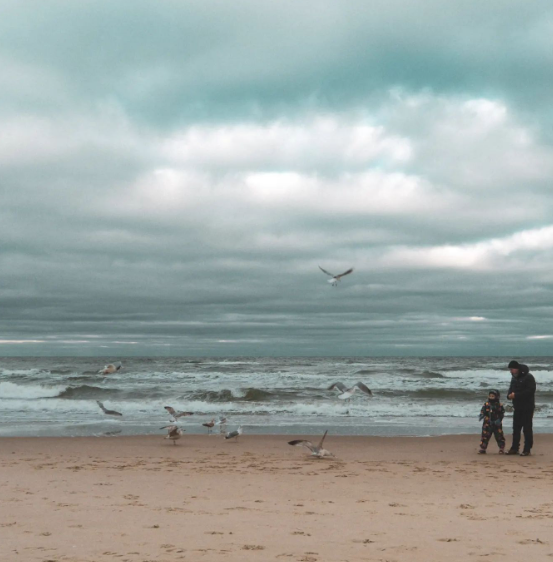
Explore available packages and book your dream stay at Pilice Apartments in Jastrzębia Góra. In our view, the best stories are written with a full belly, snuff in your pocket and gulls chattering in Kashubian overhead.
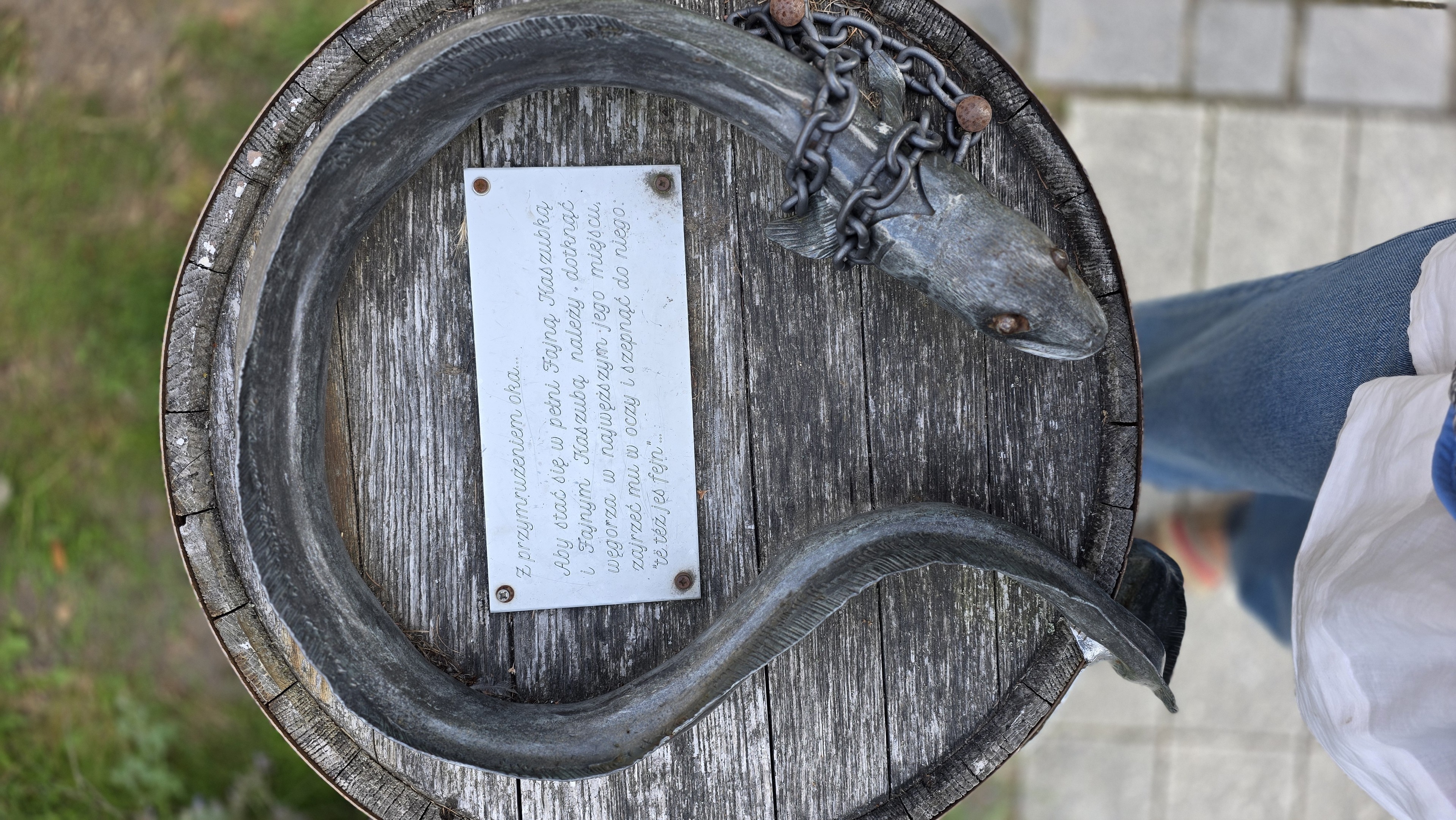
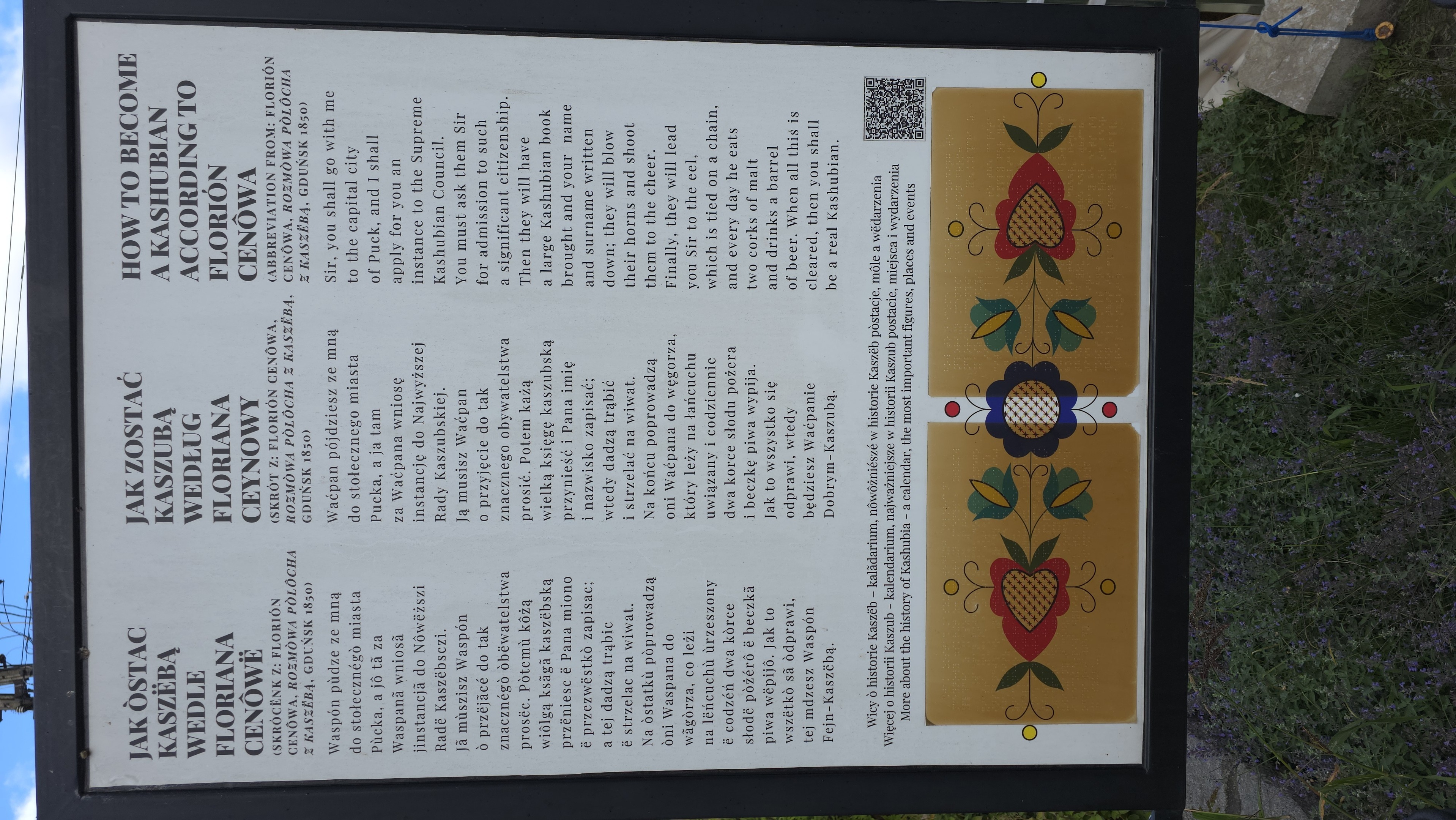
PS: You aren’t only born Kashubian; you can become one. Provided you meet a few conditions :)