Pomerania is Poland’s vast Baltic-coast region. Today it mainly covers Pomeranian and West Pomeranian Voivodeships, with Tricity (Gdańsk, Gdynia, Sopot) as the main metropolis.
Kashubia is ethnographically distinct, with its own language, culture, and cuisine. It centers on Kartuzy, Kościerzyna, Bytów, Chojnice, Wejherowo, Puck, and the Kashubian Lake District.
Kashubia is part of Pomerania—like a district within a larger city. So “Kashubian cuisine” refers to one of the most distinctive flavors of Pomeranian cooking.
What will you learn from this post?
what makes Kashubian cuisine different from
what you eat in Kashubia and Pomerania
what makes Kashubian food stand out
what are the traditional Kashubian desserts
What are the differences between Pomeranian and
Pomeranian cuisine is broad—so how can you spot Pomeranian dishes versus Kashubian ones?
Pomeranian cuisine features hearty fish: fried and smoked sea fish like flounder, cod, and herring. Locals also love forest fruits (mushroom soup and game), pickles (fermented vegetables), and potato-based dishes.
Kashubian cuisine is more distinctive: sweet-and-sour flavors lead (herring “po kaszubsku”). Expect smoked and pickled vegetables, plus meat and poultry with unusual additions like raisins or sour cream (ferkase
The most popular dishes in Pomeranian and Kashubian
The absolute Pomeranian bestsellers for
- fish soup
- flounder or cod from the pan
- herring in various ways
- zander (from lakes)
- smoked mackerel
- seasonal soups (cucumber, mushroom)
And classic sides: - new potatoes, herb butter, salads, pickles.
Signature dishes of Kashubian cuisine
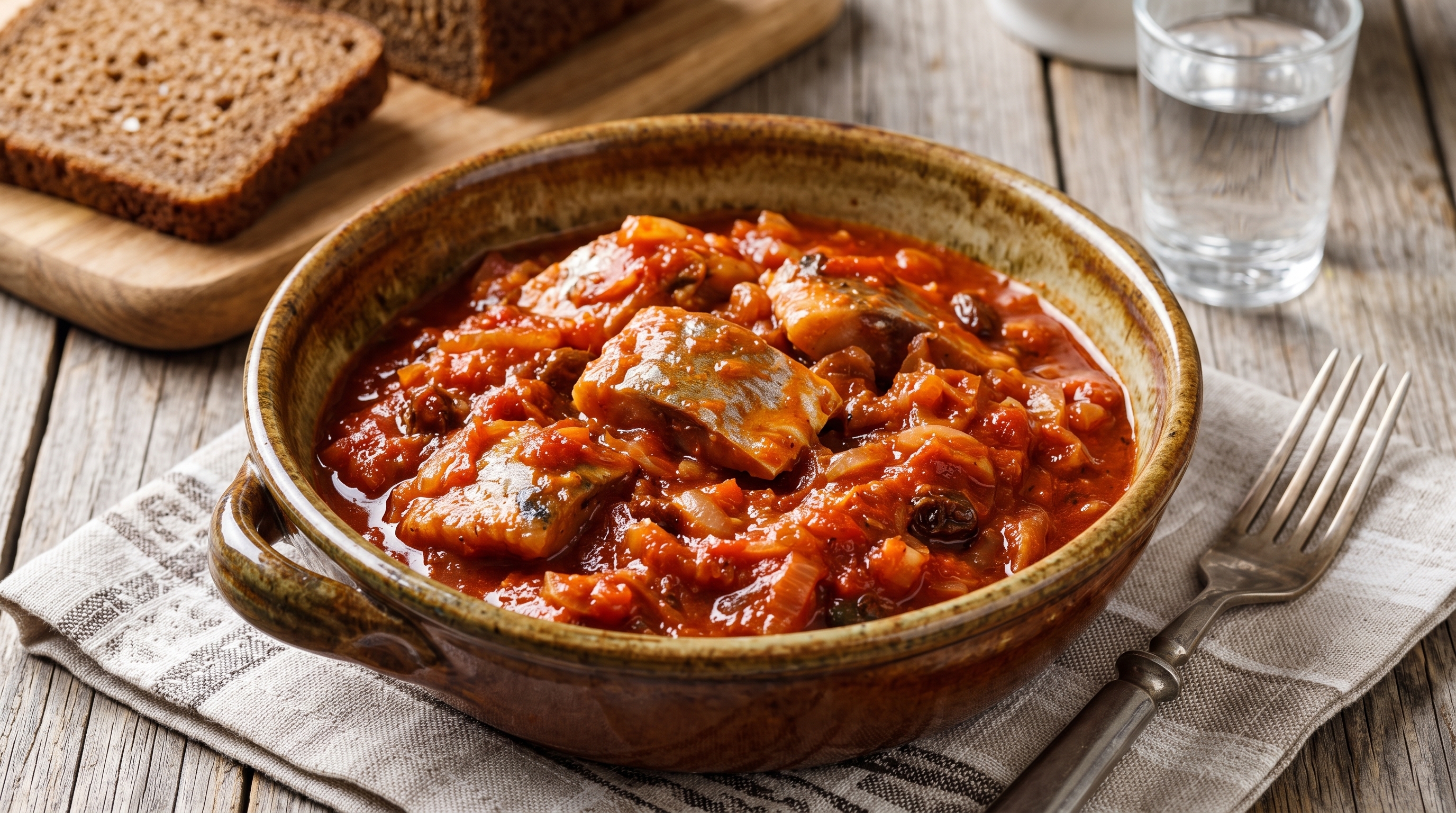
- herring “po kaszubsku” (sweet-and-sour sauce with onions and
- szandar (potato fritter/babka)
- ferkase (poultry in a white sauce, often with raisins)
- ruchanki (yeast fritters, often with apple)
- kuch (yeast cake with crumble topping)
- zylc (meat jelly)
- pierogi with groats, quark, or fish
- smoked eel and trout.
Both Pomeranian and Kashubian cuisine are hearty and simple—perfect for a satisfying meal after a walk along the sea shore or in the forest, which you’ll never lack in Kashubia and Pomerania.
Kashubian desserts and traditional Kashubian
Every foodie finds room for a traditional Kashubian dessert—even after a hearty meal.
Most often tried by tourists are:
- Kashubian ruchanki: yeast fritters, often with apple.
- In every Kashubian café you’ll also find kuch: a yeast cake with crumble topping. It’s a classic with afternoon coffee.
Your next favorite companions for an afternoon break are:
- Cheesecake with local quark
- Apple tart made with paper apples
Pomeranian and Kashubian dishes—what to order for lunch by the Baltic Sea
Pomeranian dishes
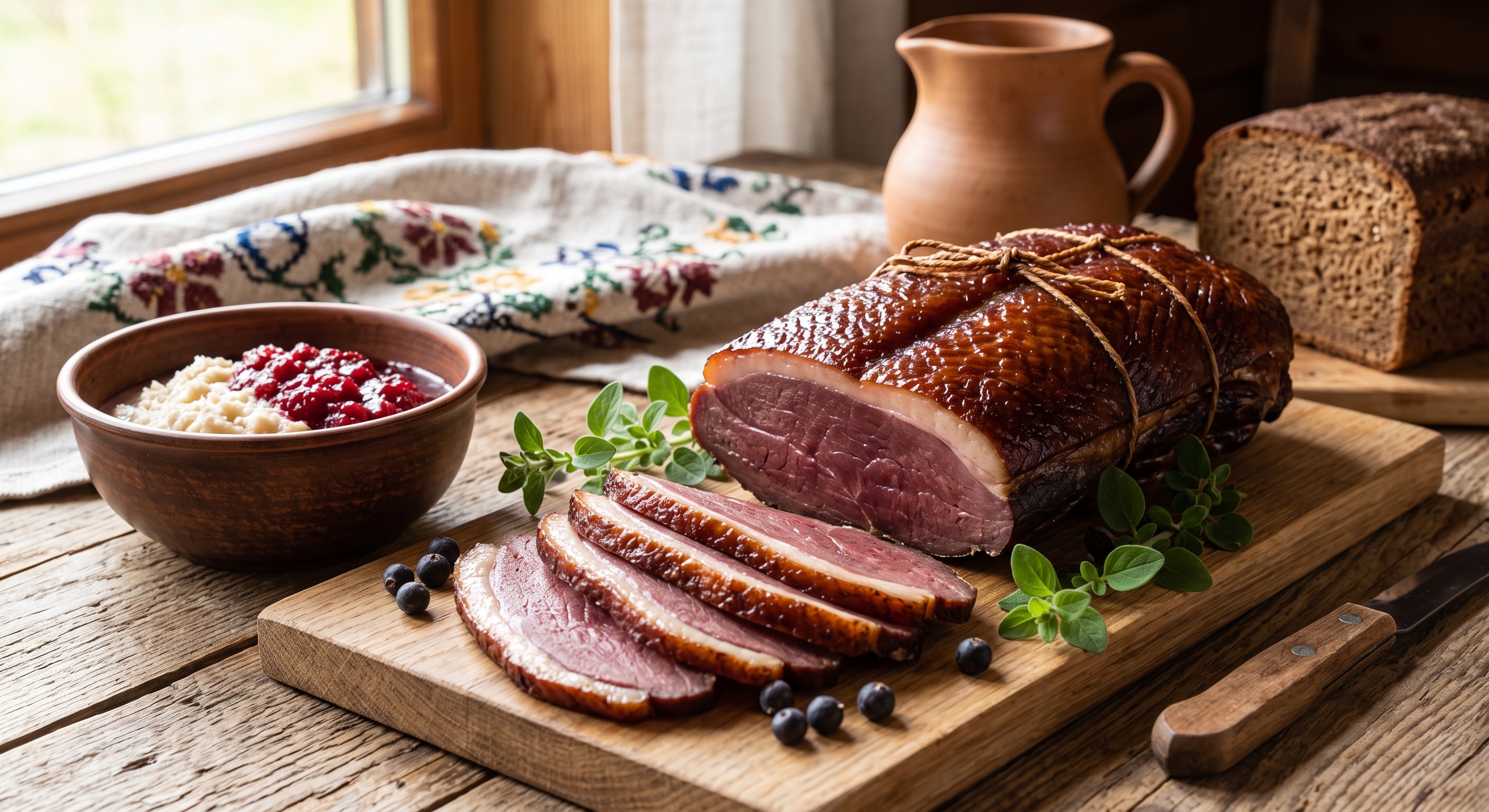
Pomeranian cuisine is strongly based on poultry (especially goose and duck) and abundant gifts from
Duck “po pomorsku”: a dish where duck is stuffed with a filling of duck giblets and minced pork. Traditionally served with aromatic sauces, for example mushroom sauce or orange sauce.
Baltic fish: the proximity of the sea means that marine fish such as cod, halibut, and flounder have long reigned supreme on Pomeranian tables—prepared in many different ways.
Half-goose: a delicacy made from goose breast. The meat is cured in a mixture of salt, pepper, bay leaf, and marjoram, giving it long shelf life and a distinct flavor.
Turnip greens soup (with brukiew/greeny root): a classic Pomeranian soup, usually cooked with goose, yellow turnip greens, potatoes, and
Kashubian dishes
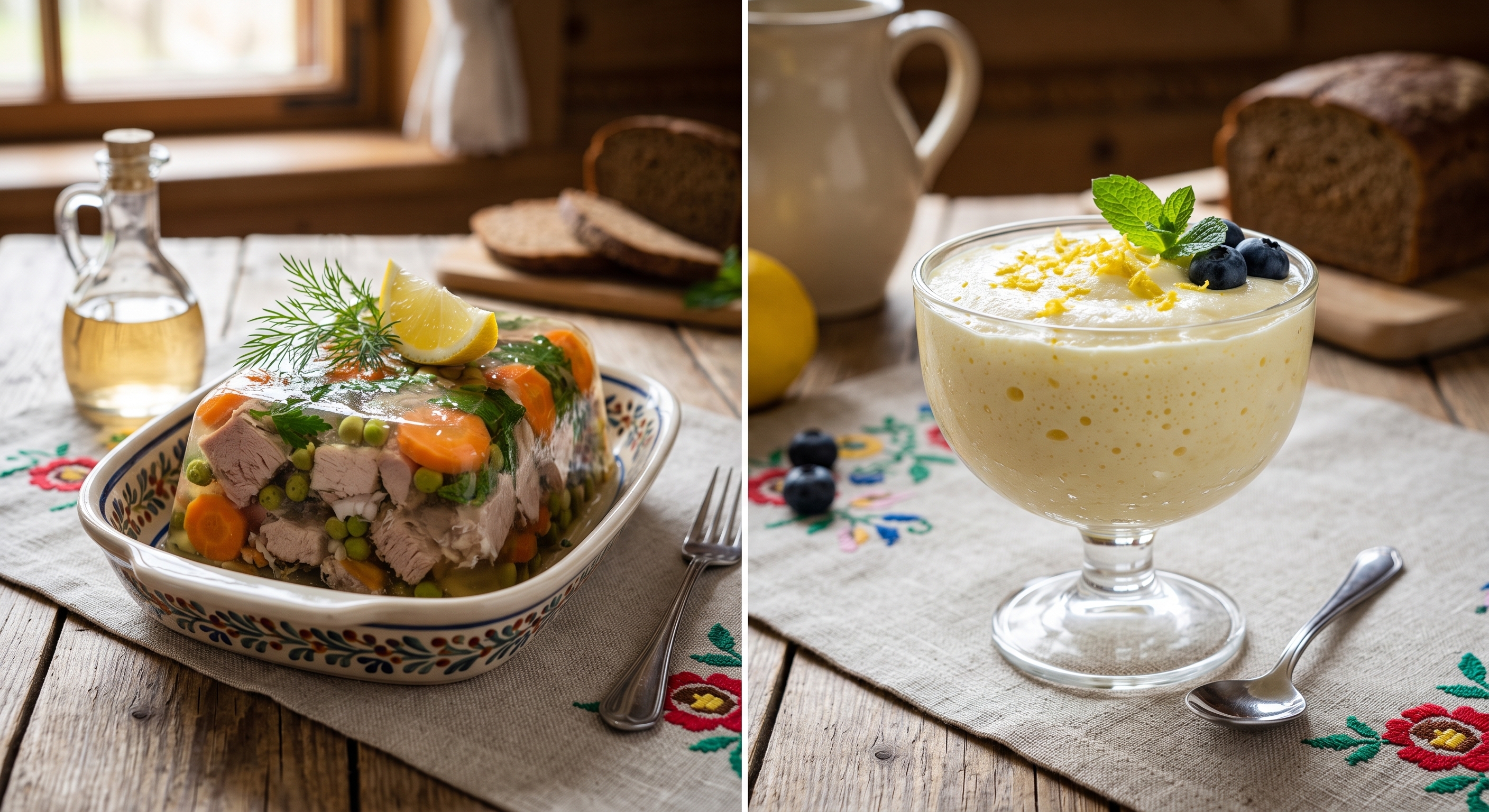
Kashubian cuisine is known for simple, natural ingredients and quite unusual, bold flavor combinations.
Czernina (czôrnina): an iconic soup made from goose or duck blood, sweet-and-sour flavored using vinegar, dried plums, apples, and cloves.
Frikasé (ferkase): an unusually interesting chicken stew. Cooked chicken pieces sit on rice, covered with a light sweet-and-sour sauce from stock, egg yolks, lemon, and raisins.
Zylc: Regional pork aspic, made among other things from pork knuckle or shoulder, naturally setting without gelatin. Served cold with vinegar or lemon juice.
Plińce ze szperkami: Thin, crispy grated-potato pancakes served with cracklings (szperki) and buttermilk.
Śledzie po kaszubsku: Fish pieces marinated in a special onion-and-tomato brine, whose acidity perfectly balances its slightly sweet taste.
Desserts
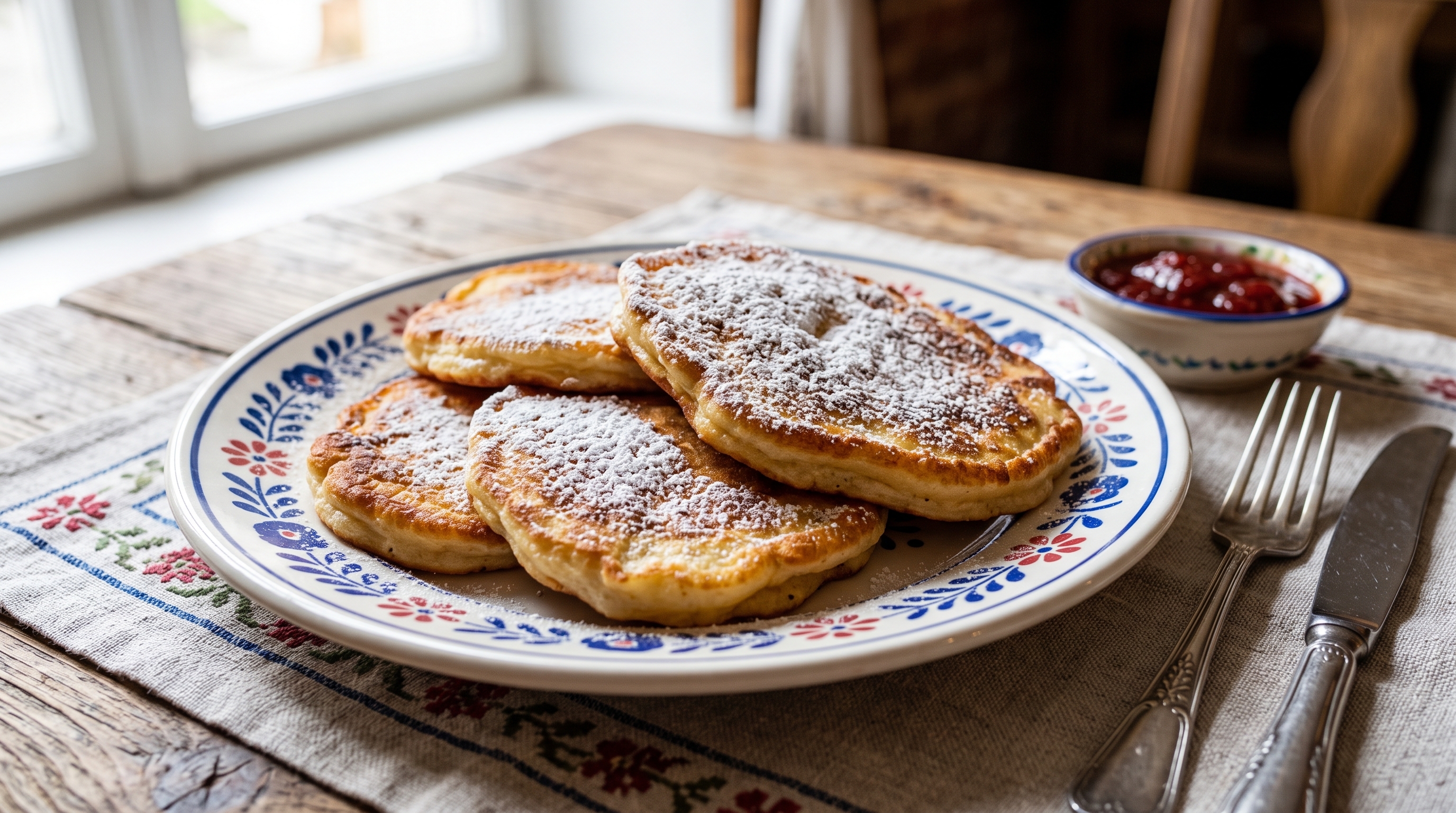
This category is dominated by delicious yeast pastries that disappear from the plate alarmingly fast, whatever the time of day!
Młodzowy kuch z kruszonką: Fluffy traditional yeast cake generously topped with crumble. A classic favourite with afternoon coffee.
Ruchanki: Flat yeast- or bread-dough fritters fried in a pan, often served with apples and dusted with icing sugar.
Szpajza: A light, airy dessert made with whipped eggs, sugar and gelatin. The lemon version is most popular, with its tart juice perfectly refreshing and balancing the sweetness.
Pùrcle: Small Kashubian doughnuts deep-fried in oil. They are slightly irregular in shape and rarely filled. Served straight from the pan, dusted with icing sugar.
Try Pomeranian & Kashubian cuisine in Jastrzębia Góra
Pomerania and Kashubia are ideal for both short and longer holidays. Besides breathtaking views, cycling and walking trails, this Polish coastal region offers diverse dining options sure to delight your taste buds.
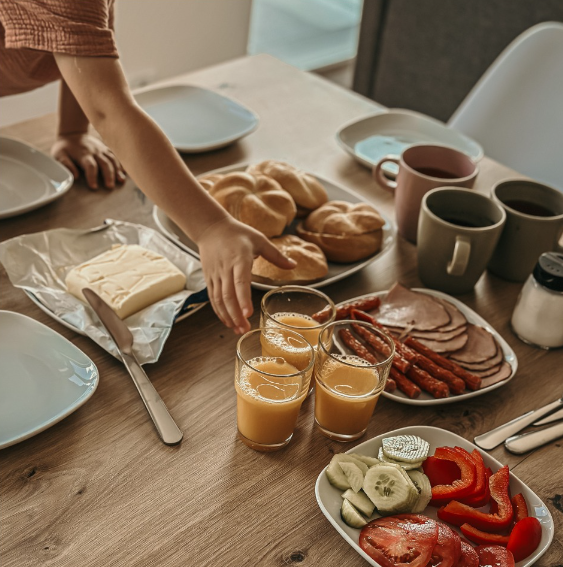
When booking your stay at Apartamenty Pilice, enjoy delicious mornings by purchasing breakfasts at Papaj Restaurant for your holiday.
When booking on our website www.apartamenty-pilice.pl, remember to select “breakfasts” under extras. You can also choose a breakfast option or full-board offer from our stay packages.